TRT Replacement Therapy Near Me: Medical Facts Every Patient Should Know
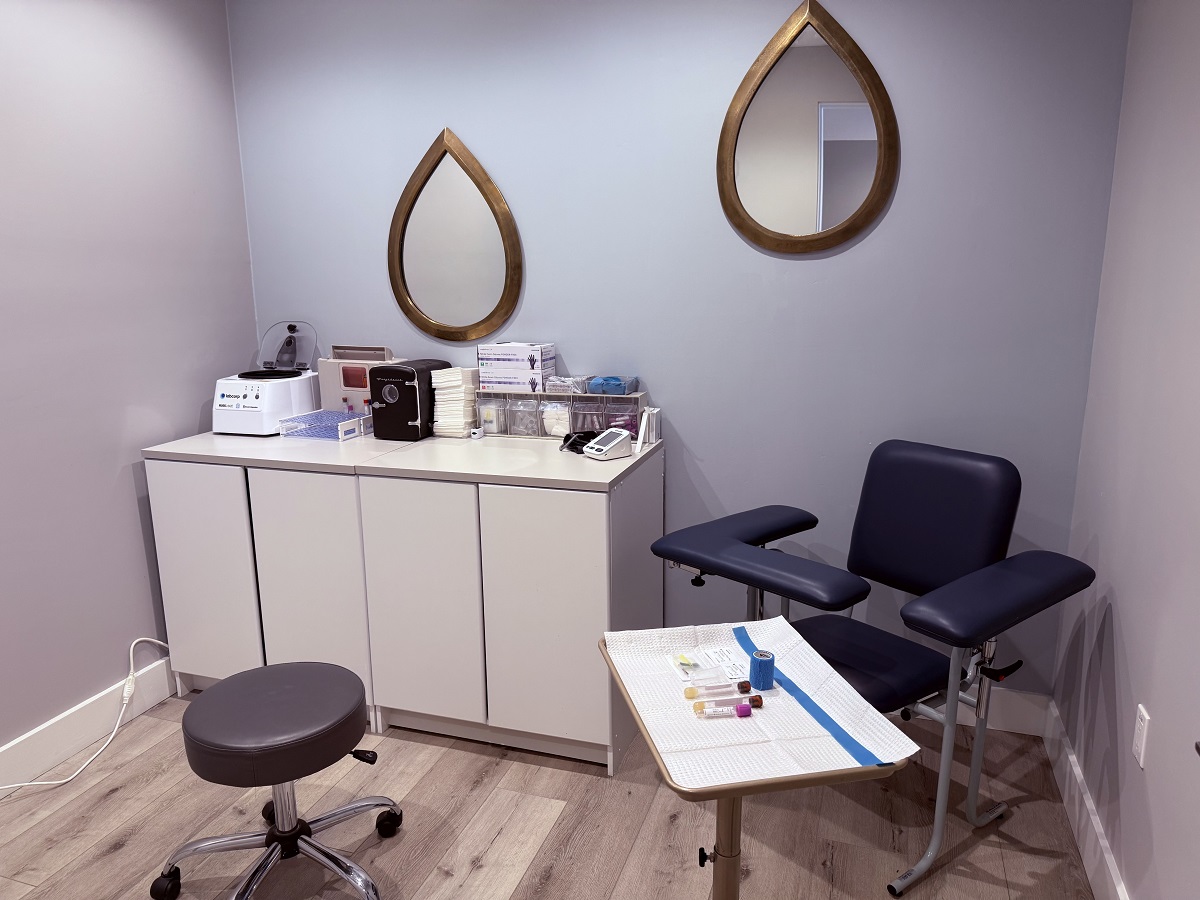
Searching for Trt replacement therapy near me usually starts with a simple goal: feeling like yourself again. Low energy, reduced libido, trouble building muscle, poor recovery, mood changes, and mental fog can make everyday life feel harder than it should. Many men reach a point where they suspect low testosterone, but the local search results can be confusing. Med spas, telehealth companies, anti-aging clinics, and traditional medical practices may all appear to offer the same thing. They do not.
TRT, or testosterone replacement therapy, is not just a wellness product. It is a medical treatment for men with confirmed testosterone deficiency, paired with symptoms, and it works best when prescribed thoughtfully and monitored consistently. That sounds straightforward, but in real practice there are important differences between careful hormone management and quick, profit-driven prescribing. Patients often do not see those differences until months later, when lab work is ignored, side effects show up, or the treatment never should have been started in the first place.
A good clinic does more than hand over a prescription. It helps answer the harder questions: Is testosterone actually low? Is it low enough to matter? Could sleep apnea, obesity, medication use, heavy alcohol intake, pituitary disease, infertility goals, or thyroid problems be part of the picture? If treatment is appropriate, which form is safest and most realistic for your lifestyle? What needs to be monitored, and how often?
Those are the medical facts that matter most.
What TRT actually treats
Testosterone replacement therapy is intended for men with hypogonadism, meaning the body is not producing enough testosterone for normal function. Diagnosis is not based on one symptom or one lab value taken at random. It requires both clinical symptoms and laboratory confirmation, usually with morning blood testing on more than one occasion.
That distinction matters because low testosterone symptoms overlap with many other conditions. Fatigue can come from poor sleep, depression, iron deficiency, long work hours, or uncontrolled diabetes. Low libido can be related to stress, relationship strain, medication side effects, or sleep deprivation. Weight gain and reduced muscle mass can follow injury, inactivity, or age-related lifestyle changes. Testosterone may be part of the story, but it is rarely the only question worth asking.
In clinic, one of the most common mistakes is treating a lab number instead of treating a patient. I have seen men come in convinced they need TRT because a single online panel showed a borderline result, only to learn that the blood draw was taken in the afternoon after poor sleep and heavy alcohol intake the night before. I have also seen the opposite, men with clearly low levels and a classic symptom pattern who delayed treatment for years because they assumed feeling worn down was just part of getting older.
The truth is more nuanced. Testosterone declines gradually with age in many men, but not every age-related drop amounts to a condition that needs replacement. The medical question is whether the level is repeatedly low, Trt replacement therapy near me whether symptoms are present, and whether there is a reversible cause that should be addressed first.
The first step should be diagnosis, not a sales pitch
A responsible clinician usually starts with a detailed history, physical exam, and baseline labs. Morning total testosterone is standard because testosterone levels vary throughout the day and are generally highest in the early morning. Depending on the case, free testosterone, luteinizing hormone, follicle-stimulating hormone, estradiol, prolactin, thyroid studies, complete blood count, comprehensive metabolic panel, and prostate-specific antigen may also be appropriate.
These tests help sort out whether the issue is primary hypogonadism, where the testes are not producing enough testosterone, or secondary hypogonadism, where the signaling from the brain is impaired. That distinction can matter, especially in younger men. If the pituitary gland is involved, or if prolactin is elevated, the treatment plan may need to change. In some cases, TRT is not the first or best answer.
A local clinic that skips this workup and moves directly to treatment should make you cautious. So should any practice that promises testosterone based on symptoms alone or uses language that sounds more like body transformation marketing than medical care.
When patients search for Trt replacement therapy near me, what they really need is not the closest clinic. They need the right clinic.
Symptoms that deserve a real evaluation
Low testosterone can present in subtle ways or in a more obvious cluster. Most men do not walk in saying, “I think I have hypogonadism.” They say they feel flat, weaker, less interested in sex, or unlike themselves.
A proper evaluation becomes more important when symptoms persist for months, especially if more than one is present. The most common patterns include:
- reduced libido or fewer spontaneous morning erections
- low energy, poor recovery, or reduced exercise capacity
- depressed mood, irritability, or difficulty concentrating
- loss of muscle mass, increased body fat, or declining strength
- infertility concerns or reduced testicular volume in some cases
None of those signs proves low testosterone on its own. They simply justify looking deeper. That is where many men benefit from a physician who is comfortable with hormone care but not overly eager to prescribe it.
Why “low normal” results create so much confusion
There is a gray zone in testosterone medicine that frustrates both patients and clinicians. Some men feel poorly with numbers that sit near the lower end of the normal reference range. Others function well at similar levels. Lab reference ranges are broad and not always a perfect guide to symptoms, age, body composition, and metabolic health.
That does not mean every man with a borderline result should receive TRT. It means the interpretation needs context.
For example, obesity can lower total testosterone by reducing sex hormone-binding globulin, or SHBG, while free testosterone may tell a different story. Poor sleep and untreated obstructive sleep apnea can suppress testosterone production. Opioid pain medications and heavy anabolic steroid use can also disrupt the hormonal axis. If a patient has gained 40 pounds over several years, sleeps five hours a night, and has untreated sleep apnea, a thoughtful clinician will discuss how much those factors may be driving the labs and the symptoms.
This is one of the most important medical facts patients should know. Testosterone can be low because the body is under metabolic strain. In some men, weight loss, sleep treatment, better glycemic control, and medication review improve testosterone levels without replacement. In others, those efforts help, but not enough, and TRT becomes appropriate. The point is not to delay care indefinitely. It is to make the diagnosis cleanly and choose treatment for the right reasons.
The main treatment options and how they differ
Once TRT is medically appropriate, the next question is practical: how should testosterone be delivered? The answer depends on your goals, schedule, skin sensitivity, insurance coverage, and tolerance for fluctuations.
Injectable testosterone is the most common option in many practices because it is effective and often less expensive. Testosterone cypionate or enanthate may be given weekly or sometimes split into smaller, more frequent doses. Men who do well with injections often appreciate the reliability and lower cost. The downside is that dosing errors, long intervals between injections, or poor monitoring can lead to peaks and troughs. Some men feel excellent for a few days, then irritable or fatigued before the next dose if the schedule is not optimized.
Gels and creams offer a needle-free alternative and can provide more stable daily levels when used correctly. They are convenient for some patients, especially those who dislike self-injection. But they come with practical concerns. Skin transfer to partners or children is a real issue if application instructions are not followed carefully. Absorption can also vary.
Patches, pellets, and other formulations exist, but they are used less often depending on region and practice style. Pellets appeal to men who want fewer treatment days, but they involve an in-office procedure and are not as flexible when dose adjustments are needed.
There is no universally best form. The right option is the one that fits your medical situation and can be monitored safely over time.
What good monitoring looks like
Starting TRT is not the end of the medical process. It is the beginning of one. If a clinic gives you testosterone and little else, that is a problem.
Monitoring typically includes symptom review and repeat blood work after initiation and after dose changes. Timing matters because lab interpretation depends on the formulation used and when the sample is taken relative to the dose. A complete blood count is important because testosterone can raise hematocrit, sometimes enough to increase concern for blood viscosity and related risks. Estradiol may matter in select cases, though it is often overemphasized in less careful practices. PSA and prostate health discussions also belong in the follow-up conversation, especially in older men or men with risk factors.
There is no single monitoring schedule that fits every patient, but early follow-up within the first few months is common, followed by periodic reassessment. Patients should know their baseline numbers, understand the target range being pursued, and be told what symptoms or side effects warrant a call.
One practical sign of a good TRT clinic is that they care about more than testosterone alone. They ask about sleep, blood pressure, body composition, fertility goals, mood, exercise habits, alcohol intake, and cardiovascular risk factors. That broader lens leads to better outcomes.
Side effects and risks patients deserve to hear plainly
TRT can be very helpful, but it is not a harmless shortcut. Men should be told clearly what can go wrong, what can be managed, and what requires caution.
The side effect that gets overlooked most often is suppression of sperm production. This is especially important in younger men. Exogenous testosterone can significantly reduce fertility, sometimes to the point of causing very low sperm counts. A man in his late 20s or 30s who wants children in the near future should not start TRT casually. There may be other approaches to discuss first, such as medications that stimulate endogenous testosterone production rather than replacing it directly.
Elevated hematocrit is another real concern. Some men on TRT develop thicker blood, reflected as rising hemoglobin and hematocrit on lab testing. This may require dose adjustment, changes in formulation, or further medical review. Acne, oily skin, fluid retention, breast tenderness, and mood changes can also occur, especially when dosing is aggressive or poorly spaced.
Prostate issues are often discussed in oversimplified ways. Current evidence does not support the old myth that TRT straightforwardly “causes” prostate cancer in otherwise appropriate candidates, but that does not mean prostate monitoring is irrelevant. Men with active prostate cancer or certain high-risk situations need specialist guidance. Urinary symptoms, age, family history, and baseline PSA all deserve consideration.
Cardiovascular safety remains an area where patients hear mixed messages. The best way to understand it is this: the relationship between testosterone, heart health, and treatment risk is complex. Untreated low testosterone is associated with poor metabolic health in many men, but that does not mean TRT is risk-free. Men with significant cardiovascular disease need individualized decision-making, not internet slogans.
Fertility changes the entire conversation
This section deserves extra emphasis because it is where some of the worst prescribing mistakes happen. If you are trying to conceive now, or expect to try within the next year or two, say so before starting treatment. Do not assume the clinic will ask the question with enough detail.
I have seen men arrive after months on TRT, shocked to learn why conception efforts have stalled. The mechanism is predictable. When outside testosterone enters the system, the brain often reduces the signals that tell the testes to make testosterone and sperm. Libido may improve, energy may improve, and blood levels may look better, but fertility can decline at the same time.
That does not mean all hope is lost if someone starts TRT before understanding this issue. Fertility may recover after stopping, and reproductive endocrinologists or urologists can help guide that process. Still, it is far better to make the right decision upfront.
For men whose main concern is fertility plus low testosterone symptoms, referral to a clinician experienced in male reproductive endocrinology or urology can be especially valuable.
What separates a serious clinic from a testosterone mill
The phrase “near me” can be useful for finding local care, but convenience should not outrank quality. A clinic that handles TRT well usually shares certain habits. It takes time to diagnose correctly, explains why treatment is or is not appropriate, monitors consistently, and adjusts therapy based on both symptoms and labs.
By contrast, high-volume testosterone mills often rely on broad symptom checklists, encourage every patient toward treatment, and sell add-on medications almost by default. They may use one-size-fits-all dosing or push unnecessary combinations without explaining why they are being used. Patients may feel impressive benefits at first, but long-term management is where weak practices show themselves.
A few questions can reveal a lot when you are comparing options:
- How do you confirm low testosterone before prescribing treatment?
- What baseline labs do you order, and why?
- How often do you repeat labs after therapy starts?
- How do you manage fertility concerns in younger men?
- What side effects do you watch for most closely?
If the answers are vague, rushed, or overly sales-oriented, keep looking.
The role of primary care, urology, and endocrinology
Patients often assume TRT belongs only in specialty clinics, but that is not always true. Many primary care physicians manage straightforward cases well, especially when the diagnosis is clear and the patient is otherwise medically stable. Urologists often bring added expertise when sexual function, fertility, urinary issues, or testicular disorders are part of the picture. Endocrinologists can be particularly helpful when the cause of low testosterone is unclear, the patient is young, pituitary disease is suspected, or multiple hormonal systems may be involved.
There is no single correct specialty for every man. The right fit depends on complexity and on whether the clinician is experienced, careful, and willing to follow through. Some of the best hormone management happens in quiet, traditional medical offices rather than flashy “men’s health” brands. Some specialty clinics are excellent, but they earn that reputation through diagnostic discipline, not marketing.
Lifestyle still matters, even when TRT is appropriate
One of the stranger myths around testosterone therapy is that once treatment starts, lifestyle no longer matters. In practice, the men who do best on TRT usually take care of the basics too. They improve sleep, lift weights or do resistance training, reduce visceral fat, control alcohol intake, and address chronic stress where possible.
TRT is not a substitute for training, diet, or sleep. It tends to work better when those foundations are in place. Men often describe the change not as a miracle, but as the return of normal momentum. Workouts feel productive again. Morning energy returns. Libido improves. Recovery gets easier. But those benefits are strongest when the underlying health picture is also improving.
That point matters because some men expect dramatic changes within days. A few notice early improvements in energy or sexual function, but body composition and strength changes usually take longer. The response is not identical for everyone, and chasing instant results often leads to overtreatment.
Cost, convenience, and the hidden factors patients overlook
Price varies widely. Insurance may cover testing and treatment when medical criteria are documented, but coverage rules differ and can be frustrating. Self-pay models are common in men’s health clinics and may bundle visits, medication, and labs into a monthly fee. That can be convenient, but convenience is not the same as value.
Patients should ask what is actually included. Are labs part of the package? How often are follow-ups scheduled? Is there physician oversight, or mostly administrative support? If a dose adjustment is needed, is that covered? Are there separate fees for supplies, injection teaching, or specialty medications?
Distance matters too. Some men want a clinic close to home for regular blood draws and easier access. Others prefer a highly competent physician farther away and handle some follow-up through telemedicine. Either model can work, provided the monitoring is real and the communication is good.
When not starting TRT is the right call
One mark of a trustworthy clinician is the willingness to say no, or at least not yet. If the diagnosis is uncertain, if untreated sleep apnea is severe, if fertility is a near-term goal, if a reversible cause has not been addressed, or if the risks outweigh the likely gains, postponing TRT may be the most responsible choice.
That can frustrate patients who have already decided testosterone is the answer. But good medicine is not about giving the treatment a patient expects. It is about getting the decision right.
Sometimes the right answer is to repeat morning labs. Sometimes it is to lose weight and reassess. Sometimes it is to treat depression, reduce opioid exposure, or evaluate for pituitary disease. Sometimes it is to start TRT, but only after an honest discussion about monitoring, fertility, and expectations.
Making a smart local choice
If you are actively searching for Trt replacement therapy near me, use that search as a starting point, not a decision in itself. Read how the clinic describes diagnosis. Look for real medical language rather than transformation promises. Check whether they discuss labs, follow-up, side effects, and fertility. Notice whether the emphasis is on individualized care or on making treatment sound effortless.
The best TRT experiences usually share a common pattern. The workup is thorough. The explanation is clear. The treatment plan fits the patient rather than the clinic’s sales model. Follow-up is structured, and adjustments are made thoughtfully. The goal is not just a better lab value. It is better health, better function, and a plan that still makes sense a year from now.
That is what patients should expect from testosterone care, whether it is delivered by a nearby primary care office, a urologist, an endocrinologist, or a well-run men’s health clinic. The prescription matters, but the judgment behind it matters more.
SDBody La Jolla
Address: 7710 Fay Ave, La Jolla, CA 92037
Phone number: +18584012383
FAQ About Trt replacement therapy near me
Will insurance pay for TRT therapy in La Jolla, CA?
Coverage varies by plan and may depend on the diagnosis, blood test results, medication and prior authorization. Ask your insurer which visits, lab tests and formulations it covers and what you would pay out of pocket.
What is the most affordable TRT clinic in La Jolla?
Compare written estimates for the initial visit, lab work, medication and follow-up monitoring. Your total cost will depend on your insurance and the care your clinician recommends.
Is TRT replacement good for you in La Jolla, CA?
Testosterone replacement may help some people with symptoms and consistently low testosterone confirmed by blood tests. A clinician can review the potential benefits, risks, fertility plans and monitoring needs before recommending treatment.